
buy insulated glass
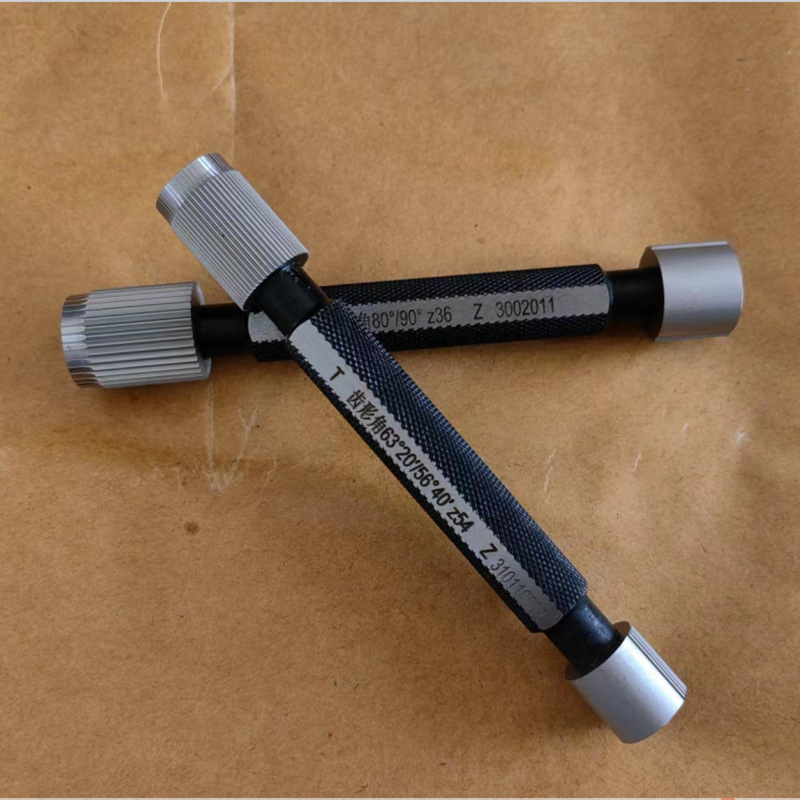
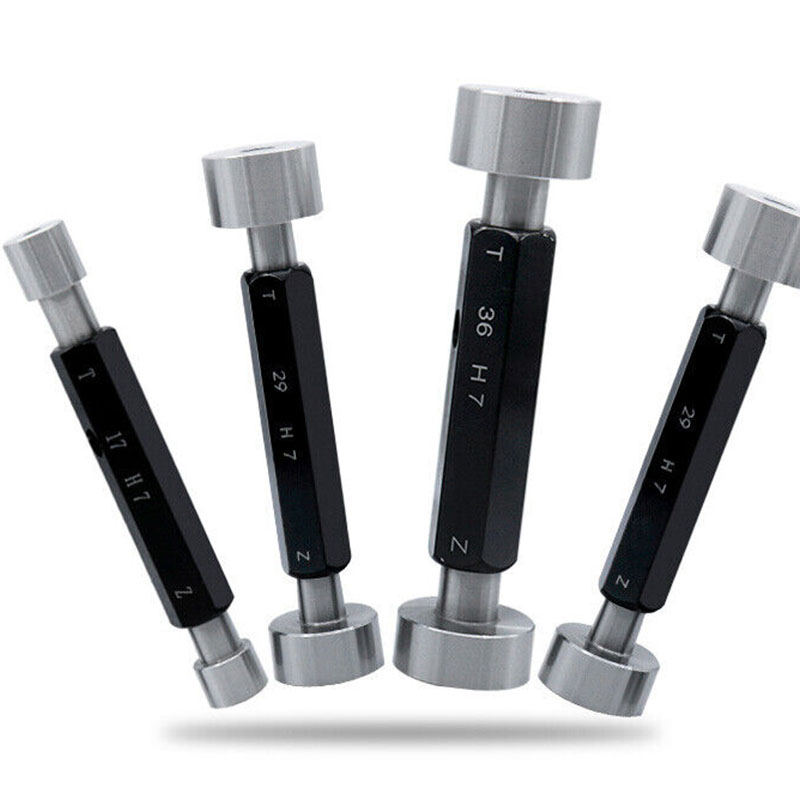
Understanding Thread Gauges Essential Tools for Precision Engineering In the world of precision engineering, ensuring that threaded components fit together correctly is crucial for the integrity and functionality of various machines and structures. Thread gauges are essential tools used to measure and inspect the dimensions and quality of threads in these components. This article aims to provide a comprehensive overview of thread gauges, their types, uses, and importance in engineering and manufacturing processes. What Are Thread Gauges? Thread gauges are specialized instruments designed to measure the pitch, diameter, and profile of screw threads. They help engineers and machinists confirm that the threads of a component meet specified tolerances and standards. Accurate measurement is vital as improperly machined threads can lead to assembly failures, leaks, or even catastrophic failures in critical applications. Types of Thread Gauges Thread gauges come in several types, each serving a unique purpose in thread inspection 1. Go/No-Go Gauges These are perhaps the most common type of thread gauge. They consist of two gauges – a Go gauge that represents the minimum acceptable limit, and a No-Go gauge that represents the maximum acceptable limit. When inspecting a threaded component, the Go gauge should fit easily, while the No-Go gauge should not fit at all. This binary check ensures that the threads are within acceptable tolerances. 2. Thread Pitch Gauges These gauges are used to determine the pitch of a thread, which is the distance between threads. They often come in the form of a small tool with various blades, each marked with a specific pitch. By matching the thread with one of the blades, an operator can quickly ascertain the pitch of the thread under investigation. 3. Thread Calipers These are used for more precise measurements. Thread calipers measure the major and minor diameters of the threaded component and can provide detailed information on the thread profile. They are indispensable for more complex inspection processes where exact measurements are critical. 4. Custom Gauges For specific applications or unique threading requirements, custom gauges can be created. These might combine features of the standard gauges or be tailored to specific dimensions or tolerances . thread gauges Importance of Thread Gauges The use of thread gauges in manufacturing and engineering cannot be overstated. Here are some of the critical reasons these tools are indispensable 1. Quality Assurance Regular use of thread gauges during production ensures that threaded components consistently meet quality standards. This reduces the likelihood of defects that could result in product failure. 2. Cost Efficiency By ensuring that threads are manufactured to specification from the beginning, companies can save on costs associated with rework, returns, and scrapped materials. 3. Safety Many applications, particularly in the aerospace, automotive, and construction industries, rely on the integrity of threaded components. Ensuring proper threading can prevent accidents and failures that might have severe consequences. 4. Compliance with Standards Different industries have established standards for thread dimensions and tolerances. Thread gauges help manufacturers ensure compliance with these standards, which is often necessary for certification and regulatory purposes. 5. Versatility Thread gauges are used in various industries, including manufacturing, aerospace, automotive, and construction. Their versatility makes them essential for anyone working with threaded components. Conclusion Thread gauges are critical tools in precision engineering, ensuring that threaded components fit and function as intended. With various types available, each serving a specific purpose, manufacturers can maintain high-quality standards, improve safety, and reduce costs. In a landscape where precision is paramount, the proper use of thread gauges is not just beneficial; it is necessary for achieving excellence in engineering and manufacturing practices. As technology evolves, the importance of these tools remains steadfast, underscoring their role in creating reliable and safe products.
about
buy insulated glass
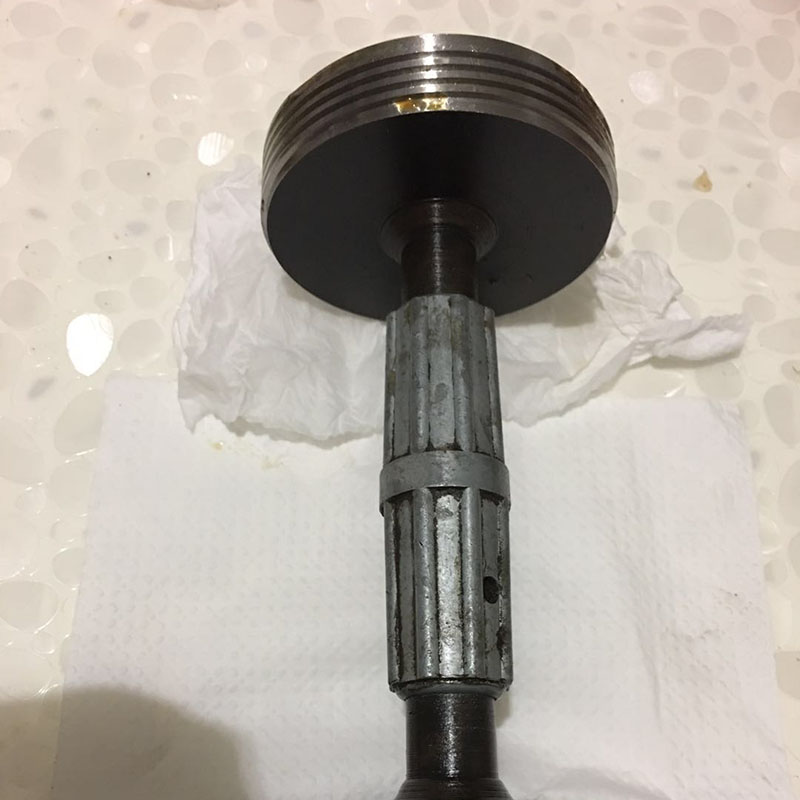
Understanding Metric Trapezoidal Threads A Technical Perspective Metric trapezoidal threads, often referred to as Acme threads in the imperial system, are a widely utilized type of threading mechanism in various engineering applications. This thread form, defined by its distinct trapezoidal profile, offers a robust and efficient solution for linear motion systems, particularly in situations where high load-bearing capacity and smooth, low-friction movement are essential. The metric trapezoidal thread standard is based on the ISO 2901 standard, which specifies the dimensions, tolerances, and characteristics of these threads. The thread's major diameter and pitch are the primary defining parameters, with the pitch being the distance between corresponding points on adjacent threads. Unlike the more common circular thread form found in screws and bolts, the trapezoidal shape allows for better engagement and increased load distribution, leading to higher strength and durability. One key advantage of metric trapezoidal threads is their self-locking property. Due to the angle of the thread flank, typically around 30 degrees, the screw can resist backdrive under most conditions, making it suitable for applications where accidental loosening could be catastrophic, such as in machine tools or elevators. Moreover, metric trapezoidal threads have a larger surface area in contact compared to other thread forms, resulting in lower friction and wear resistance. This not only enhances the efficiency of linear motion but also extends the service life of the components This not only enhances the efficiency of linear motion but also extends the service life of the components This not only enhances the efficiency of linear motion but also extends the service life of the components This not only enhances the efficiency of linear motion but also extends the service life of the components metric trapezoidal thread . Additionally, they are easier to manufacture and inspect due to their straight flanks, which simplifies the process of gauging and alignment. In industrial settings, metric trapezoidal threads are commonly used in leadscrews, nuts, and linear actuators. They find application in industries ranging from automotive and aerospace to construction equipment and precision machinery. Their versatility, combined with their inherent strength and efficiency, makes them a go-to choice for engineers seeking reliable and high-performance threading solutions. In conclusion, metric trapezoidal threads represent a critical element in modern engineering, offering a blend of strength, stability, and precision. As technology continues to evolve, so does the importance of understanding and utilizing these threads effectively. Their unique geometry and performance attributes make them indispensable in a myriad of applications, ensuring smooth operation and dependable performance across a wide range of industries.
-

High quality industrial productsagement

High quality industrial products
View Details -

Meet the diverse needs of customers

Meet the diverse needs of customers
View Details -

Strict quality control

Strict quality control
View Details -

Top raw materials

Top raw materials
View Details -

Trusted supplier

Trusted supplier
View Details
Our application
news and information

Vanne à guillotine de 8 pouces pour applications industrielles et de plomberie
Vannes à Panneau Couteau de 8 Pouces Un Équipement Essentiel pour l'Industrie Les vannes à panneau

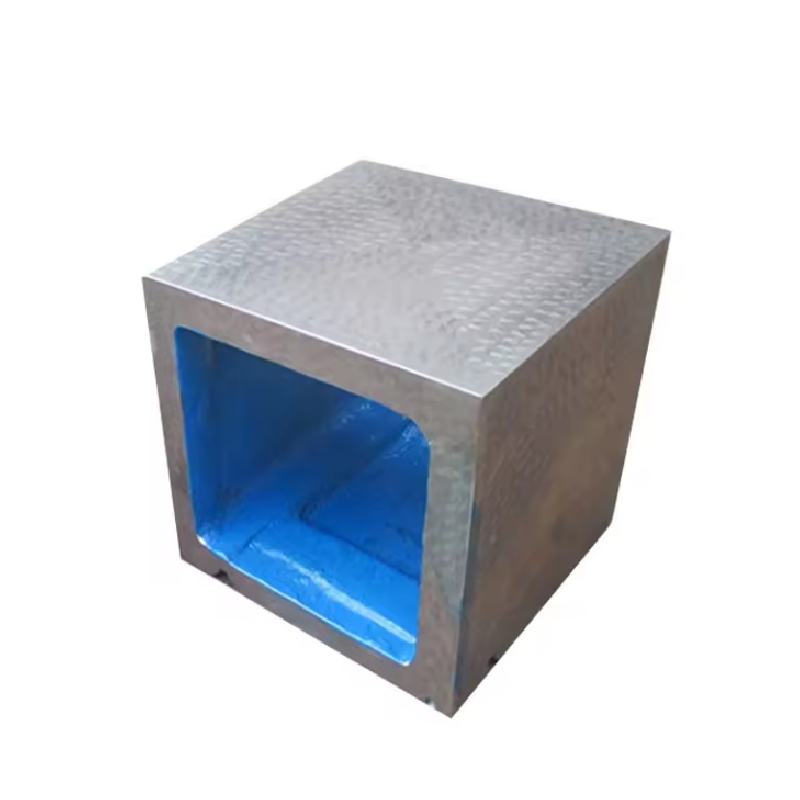
welding fab table for sale
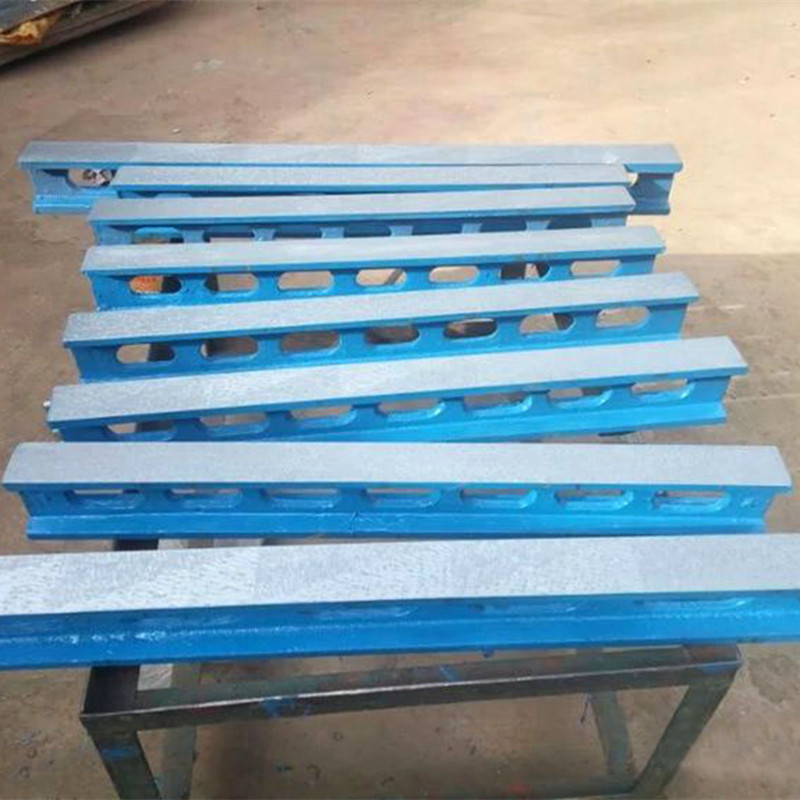
The Rise in Popularity of Welding and Fabrication Tables for Sale In recent years, the demand for we
Y Shaped Strainer for Efficient Filtration and Fluid Management Solutions
Understanding Y-Shaped Strainers Essential Components in Fluid Systems In various industrial and com
 English